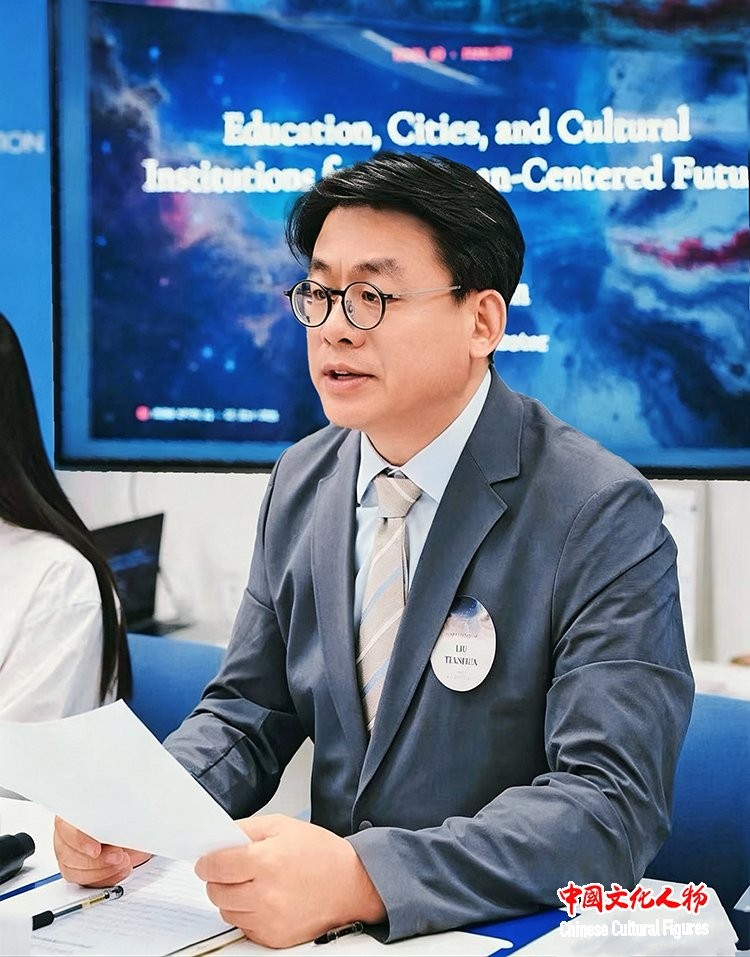
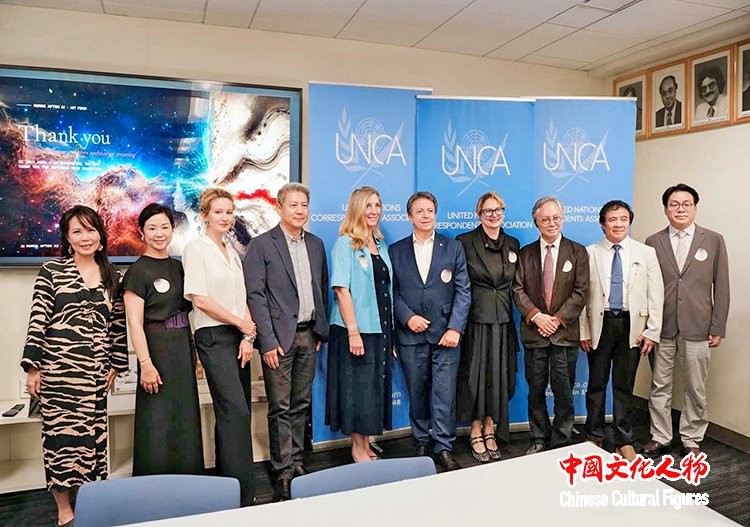
Liu Tianhua, Tsinghua University calligraphy & seal carving faculty, joined the UN Headquarters-hosted art conference Human After AI: In Defence of Human Imagination (Forum on Safeguarding Human Imagination in the Intelligent Era) to promote Chinese seal carving art worldwide
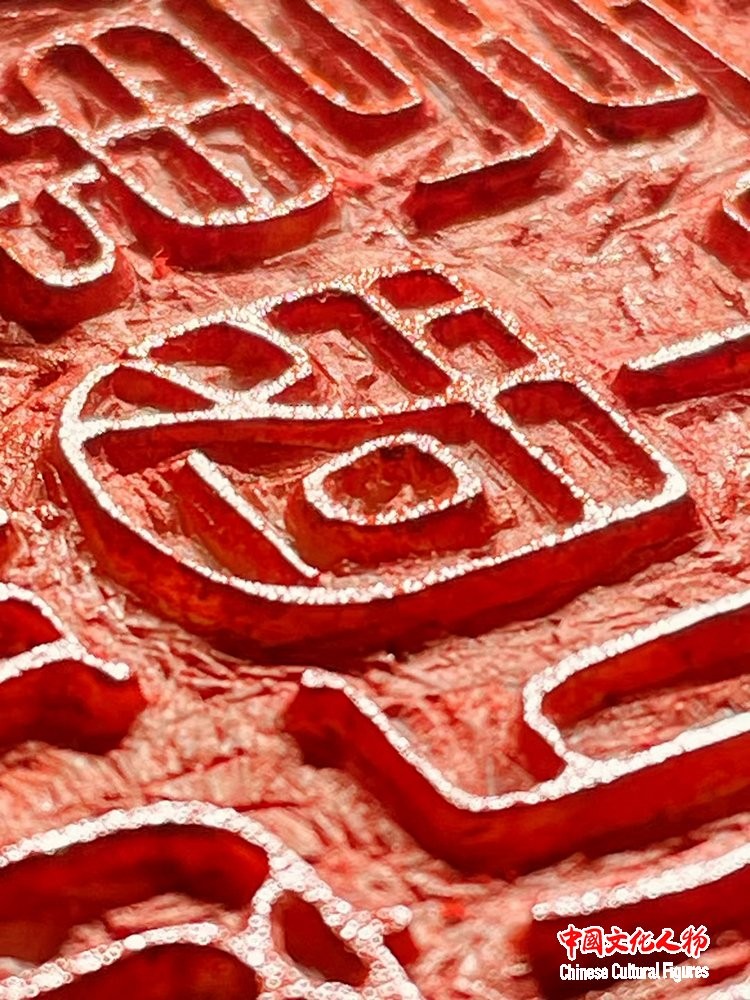
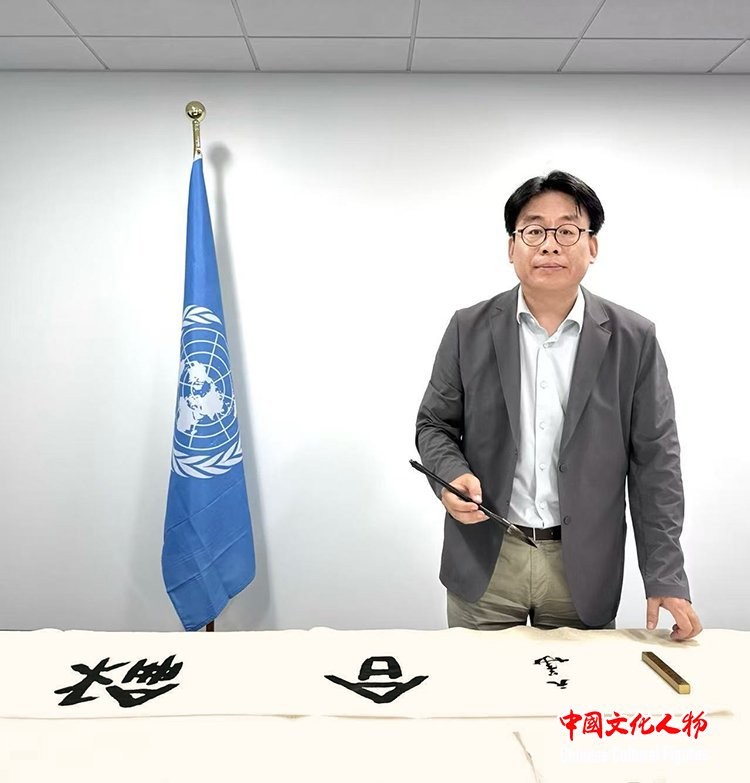
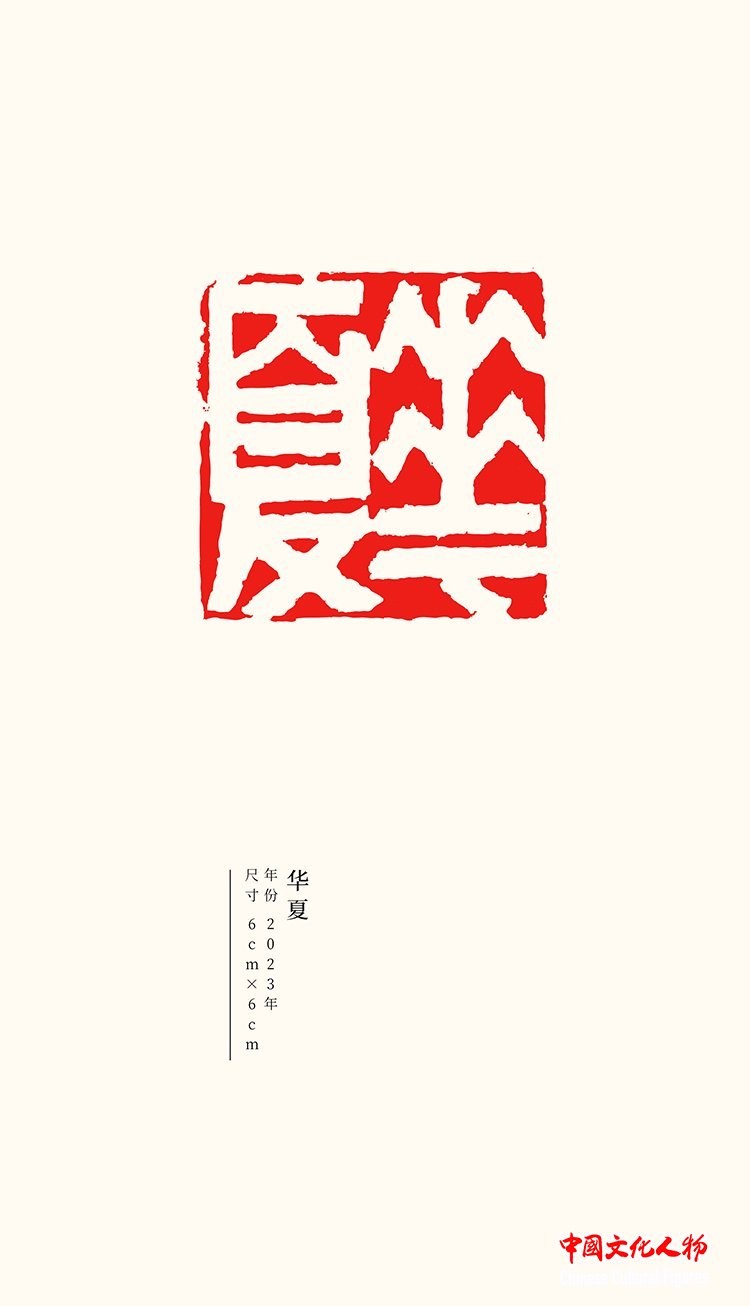
Huaxia, by Liu Tianhua
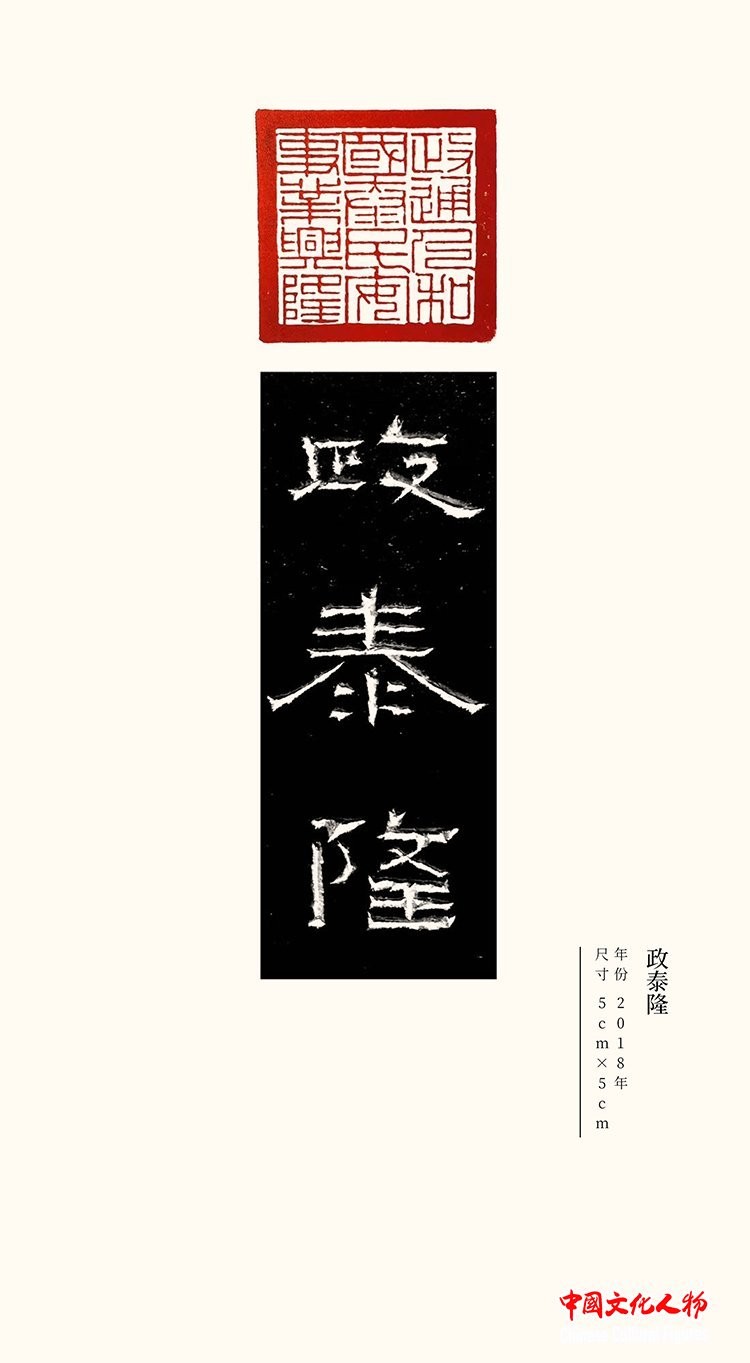
Prosperity Through Good Governance, by Liu Tianhua
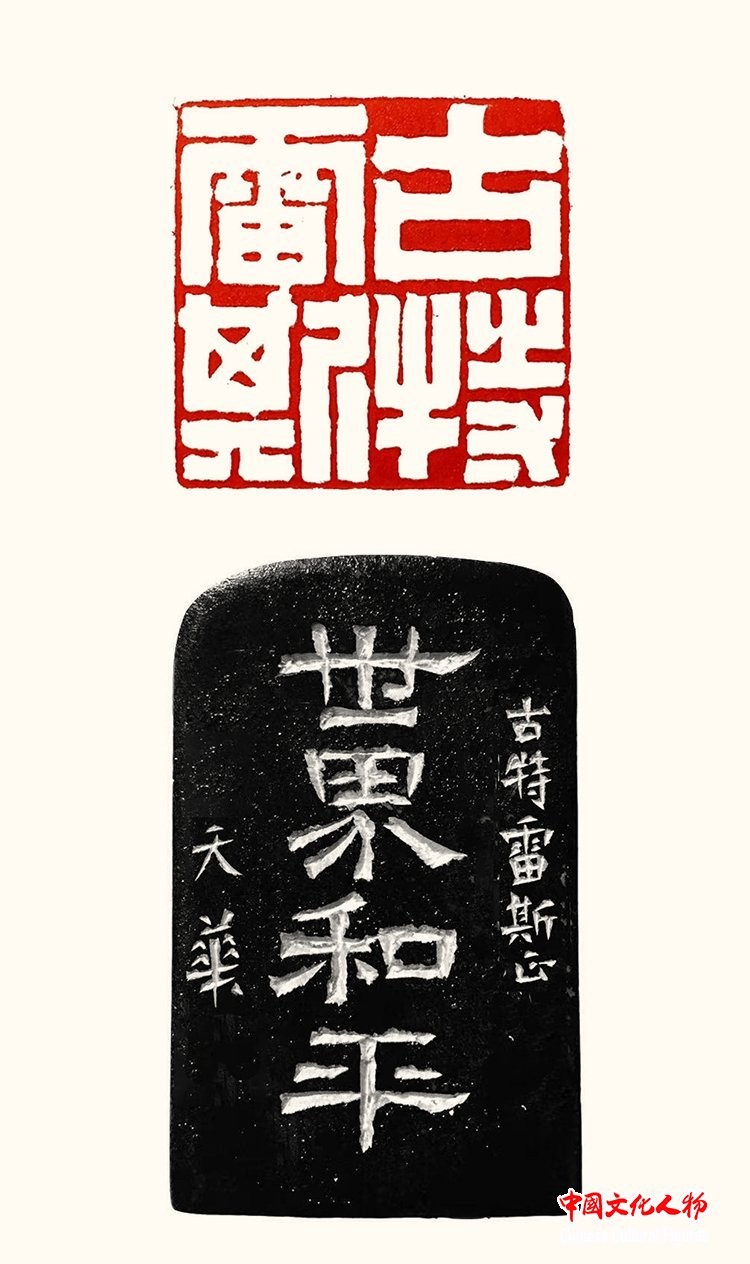
António Guterres, by Liu Tianhua
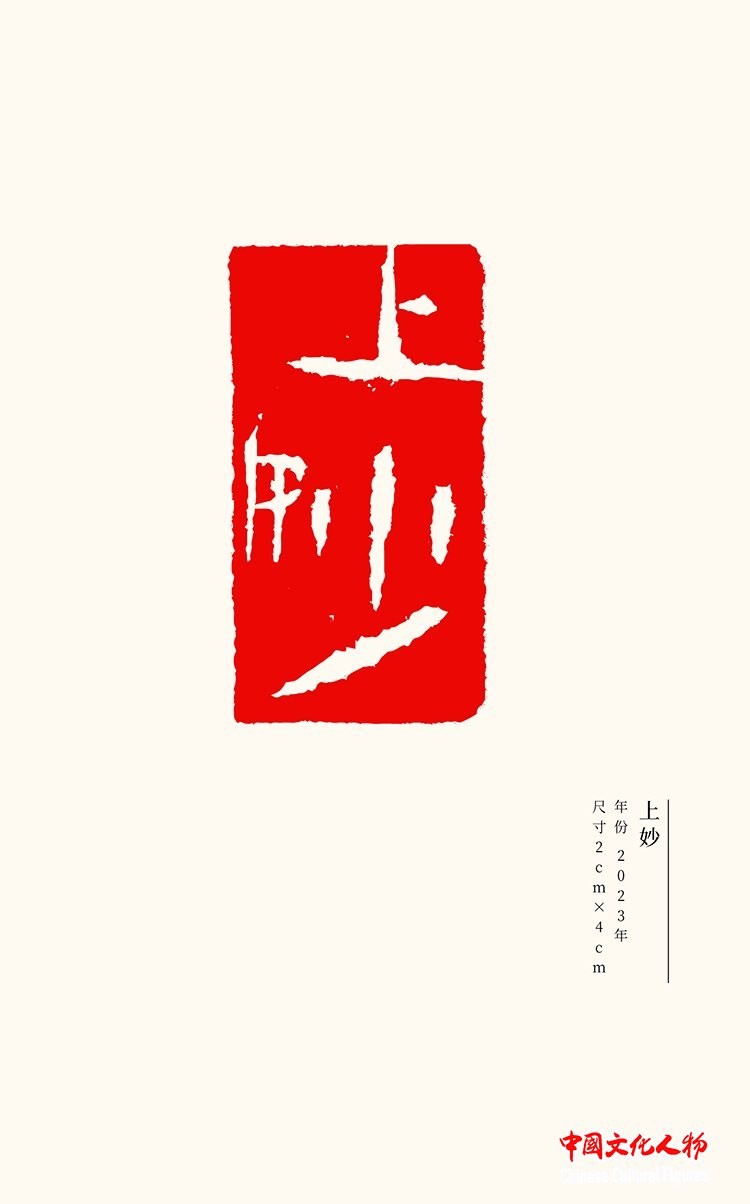
The Sublime, by Liu Tianhua
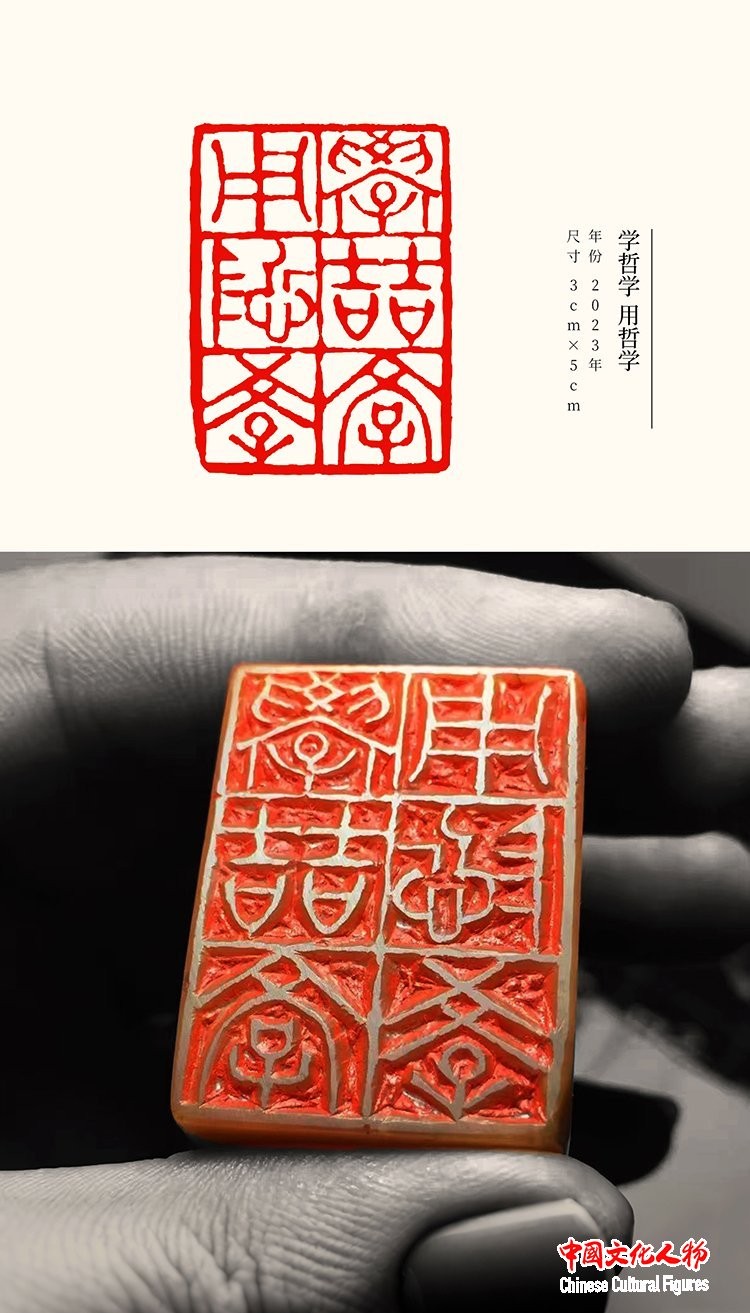
Study Philosophy, Practice Philosophy, by Liu Tianhua
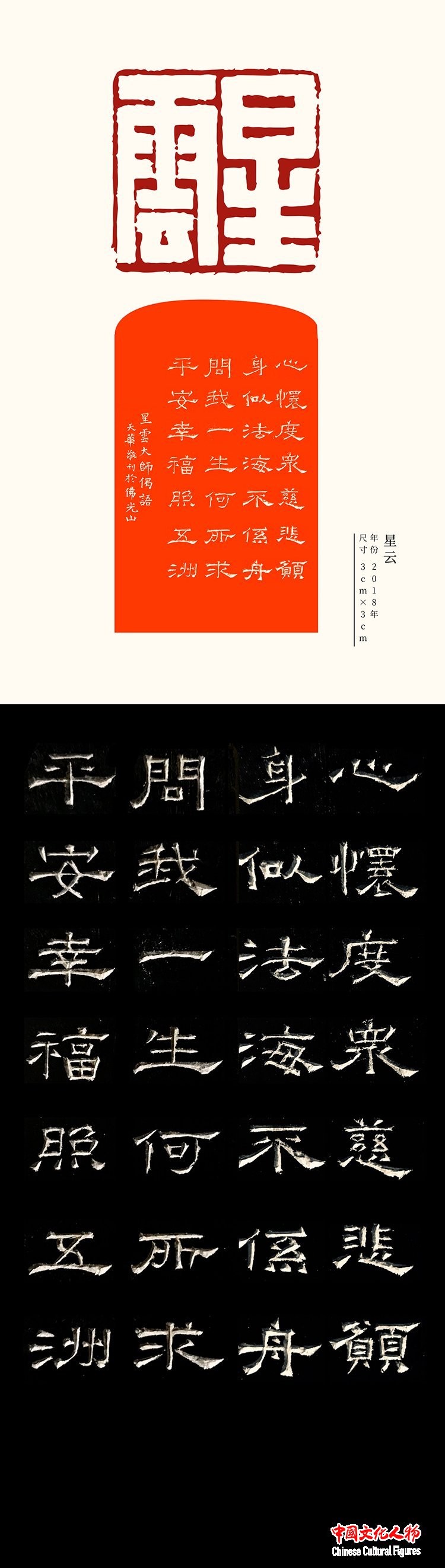
Nebula, by Liu Tianhua
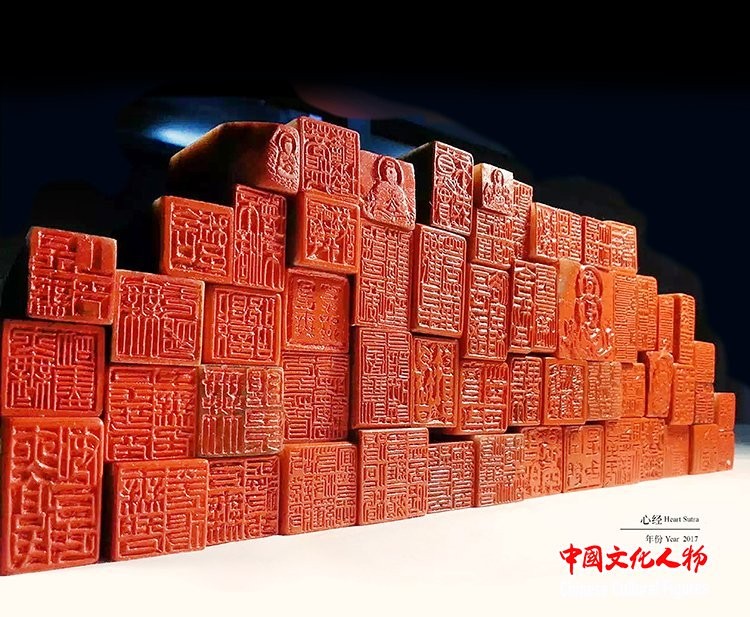
The Heart Sutra, by Liu Tianhua
Liu Tianhua, a calligraphy and seal carving instructor at Tsinghua University, attended the international art conference Human After AI: In Defence of Human Imagination held at the UN Headquarters. At the forum themed "Safeguarding Human Imagination in the Intelligent Era", he promoted Chinese seal carving art to a global audience.Liu TianhuaDistinguished guests, dear friends,Good afternoon.My research focus and teaching is in the subject of Chinese calligraphy and seal carving at Tsinghua University. At the beginning of every semester, I always ask my students to complete a questionnaire about why they chose to study seal carving. One response from an engineering student, who spends his days writing computer code, has stayed with me for a long time. He wrote:“Being surrounded by programming languages and logical commands every day, I feel as if I am gradually becoming a machine. I hope that by learning seal carving, where I can rediscover my vitality and regain the wholeness of my heart and mind.”These simple yet heartfelt words prompted me to reflect: in an age increasingly shaped by artificial intelligence and digital technologies, can the ancient art of Chinese seal carving, with its rich tradition of aesthetic and humanistic values, contribute to the cultivation of a complete human character?Today, I would like to begin with the Chinese seal and explore a broader question with you: How do we preserve the authenticity of human creativity in an era when algorithms can imitate so much? And how can the ancient Eastern tradition of seal carving continue to nourish the sustainable development of modern civilization?Seal carving is an art comfined to the size of the seal, often no more than a few square centimiteres, yet it unites script, knife technique, composition, and personal character into a single work. Every stone carries its own natural veins; every movement of the knife produces subtle variations; every unexpected fracture reveals an unplanned beauty. These moments of unpredictability speak directly to the essence of human imagination.This imagination emerges from the encounter between the artist, the blade, and the stone. It is born from the intuitive unity of the heart, the eye, and the hand. At a time when AI can generate endless images at extraordinary speed, seal carving reminds us of what cannot be replicated: embodied experience, genuine human intention, and the trust that arises from authentic creation. In this sense, it offers an Eastern philosophy of remaining true, cultivating trust, and revealing beauty.Using seals as symbols of trust is a tradition shared by many civilizations. Mesopotamia and the Aegean world created cylinder seals; ancient Egypt and Persia used seals to authenticate trade and official documents. Yet only in China did the seal evolve into a profound expression of personal aesthetics and moral character.The free and unrestrained seals of the pre-Qin period gave way to the disciplined official seals of the Qin and Han dynasties. During the Sui and Tang dynasties, collectors’ seals became an integral part of painting and calligraphy. The scholar-artists of the Song and Yuan dynasties designed and carved their own seals, while the Ming and Qing periods witnessed the flourishing of distinct schools of seal carving, establishing it as an independent art form. Today, the tradition continues to evolve, combining the enduring values of Eastern integrity with contemporary artistic expression.My students come from all over the world, many of them are fascinated by the Chinese expresion 心心相印.This phase directly translates to “hearts communicating with one another.”Yet since the word for “communicating”, 印, is also the word for “seal” in Chinese, it can also mean that the hearts are sealed together. This phrase showcases that the beauty of a seal lies not only in its stone, its script, or the marks of the knife. Its true essence is found in emotion, understanding, and the human heart. When a piece of stone enables one heart to recognize another, when it allows one heart to warm another, it is no longer merely a piece of stone. That is why the seal-carving classroom at Tsinghua University has become more than a place to learn a traditional craft. It has become a place where hearts connect.Seal carving leaves its mark in stone, grounds itself in trust and integrity, and builds bridges between civilizations through mutual understanding. May we continue to uphold our shared humanistic values. In this digital age, may we safeguard originality and sincerity, and through the Chinese seal, strengthen mutual trust, inclusiveness, harmony, and goodwill as we work together toward a brighter future for humanity.Thank you.
郑重声明:此文内容为本网站转载企业宣传资讯,目的在于传播更多信息,与本站立场无关。仅供读者参考,并请自行核实相关内容。